
Seasonal Recipe: Summer Berry Drop Biscuits
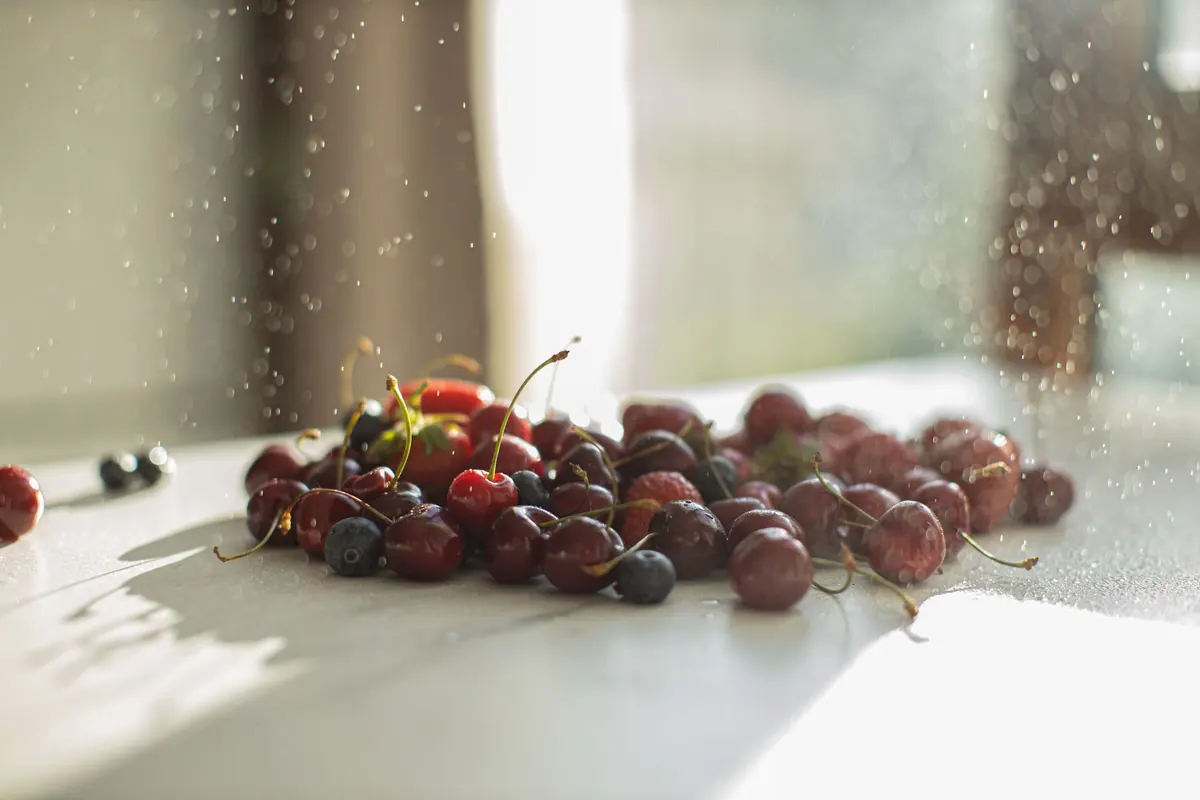
Berry season is short, and it arrives at exactly the moment nobody wants to be rolling dough on a hot afternoon. Drop biscuits solve that problem neatly. There is no rolling pin, no biscuit cutter, no scraps to gather and re-roll. You stir, you scoop, you bake, and twenty minutes later there are warm biscuits on the counter with fruit bleeding through the tops.
The catch is that berries are mostly water, and water is the enemy of a crisp biscuit bottom. Get the moisture balance wrong and you end up with pale, doughy undersides that stick to the pan. The version below is built around that one risk, and the notes afterward explain exactly how to avoid it.
Why Drop Biscuits Suit Berry Season
Rolled biscuits need a fairly stiff, dry dough so they hold their shape through the cutter. Drop biscuits are looser — closer to a thick, shaggy muffin batter than a pastry dough — and that slackness means they can absorb the juice berries release without turning into paste. The dough also bakes fast, which matters. The longer a berry sits in raw dough, the more liquid it sheds.
Fresh summer berries bring their own sweetness and acidity, so the biscuit itself stays modestly sweet. A spoonful of sugar in the dough and a scatter of coarse sugar on top is plenty; anything more and you are making a scone with an identity crisis.
What You Need
- 2 cups all-purpose flour
- 1 tablespoon baking powder
- 1/2 teaspoon baking soda
- 3/4 teaspoon fine salt
- 2 tablespoons granulated sugar
- 6 tablespoons cold unsalted butter, cut into small cubes
- 1 cup cold buttermilk, plus a splash more if the dough needs it
- 1 to 1 1/2 cups fresh berries
- Optional: 1 teaspoon lemon zest, and coarse sugar for the tops
No buttermilk on hand? Stir a tablespoon of lemon juice or white vinegar into a cup of milk and let it stand ten minutes. It will thicken slightly and do the same job.
Blueberries are the easiest berry here — they hold their shape and release juice slowly. Raspberries are the most delicate; fold them in at the very end with two or three turns of the spoon. Halve large blackberries, and chop strawberries into pieces no bigger than a blueberry, then pat them dry. Frozen berries work too, and there is a real advantage: keep them frozen, do not thaw them, and they will leak far less as the biscuits bake. Expect to add two or three minutes to the bake time.
Avoiding Soggy Bottoms: The Rules That Matter
- Dry the fruit first. Rinse berries, then spread them on a towel or paper towel and pat them gently until no loose water remains.
- Chill the berries. Twenty minutes in the freezer firms them up and slows the juicing. Frozen berries straight into the dough work even better.
- Toss the berries in flour. A tablespoon of flour from your measured amount coats the fruit and thickens the juices before they can soak into the dough.
- Keep everything cold. Cold butter, cold buttermilk, cold berries. Warm dough spreads, and spread dough bakes flat and pale on the bottom.
- Use parchment, not a silicone mat. Parchment lets the base breathe and brown. Silicone traps steam right under the biscuit.
- Reach for a light-colored metal pan. Dark nonstick sheets brown the tops long before the centers are set, which is how you get a burnt lid and a raw middle.
- Preheat properly. Give the oven a full fifteen to twenty minutes. Biscuits need that initial blast of heat to set their structure.
- Bake until the bottoms are deep golden. Lift one with a spatula and look. Pale means put it back, even if the top looks done.
- Move them to a rack immediately. A hot pan is a steam bath. Two minutes of sitting is enough to undo your good work.
How to Make Summer Berry Drop Biscuits
- Preheat the oven to 425°F (220°C) and line a baking sheet with parchment.
- Whisk the flour, baking powder, baking soda, salt, and sugar in a large bowl.
- Drop in the cold butter cubes. Rub them into the flour with your fingertips, or cut them in with a pastry blender, until the mixture looks like coarse crumbs with a few pea-sized lumps left. Those lumps are flaky layers waiting to happen.
- In a separate bowl, coat the cold berries with the lemon zest and a tablespoon of flour.
- Pour the buttermilk into the dry ingredients and stir just until no dry flour remains. The dough will be sticky and rough. Resist the urge to keep stirring — overmixing develops gluten and gives you something closer to a hockey puck.
- Fold in the berries with three or four gentle turns. Some will break. That is fine, and those cracked berries make the prettiest streaks.
- Scoop generous mounds onto the parchment, about two inches apart. An ice cream scoop or a quarter-cup measure works well. Sprinkle with coarse sugar.
- Bake 18 to 22 minutes, until the tops are golden brown and the biscuits feel light when you lift one with a spatula. Cool on a wire rack for five minutes before eating.
Small Variations Worth Trying
Add a teaspoon of lemon zest to the dry ingredients for a brighter biscuit, or swap two tablespoons of flour for fine cornmeal, which brings a pleasant gritty crunch. A pinch of black pepper with strawberry pieces sounds odd and tastes excellent with a slice of ham. If you like herbs, a teaspoon of finely chopped thyme or basil works nicely with blueberries.
For serving, split the biscuits while warm and add salted butter, or pile on lightly sweetened whipped cream and more berries for a shortcake-style dessert that takes ten minutes to assemble.
Serving, Storing, and Making Them Again
These biscuits are best within a few hours of baking, ideally still warm. After that, store them in a tin lined with a paper towel, which absorbs the moisture the berries keep releasing. Reheat in a 350°F oven for five minutes — the microwave will soften the crust and bring the soggy bottom back with a vengeance.
You can also freeze the scooped dough on a parchment-lined sheet until solid, then move the mounds to a bag. Bake from frozen on parchment at 425°F, adding three to four minutes. That way a batch of summer biscuits is never more than half an hour away, whatever the calendar says.
One last habit worth building: keep a small notebook of what you baked and when. Berry batches vary enormously — a rainy week makes juicier fruit — and a line about which berries you used and how long they baked will tell you more than any general rule.
Photo: Anastasia Shuraeva / Pexels