
American Biscuits vs. British Biscuits: A Complete Comparison
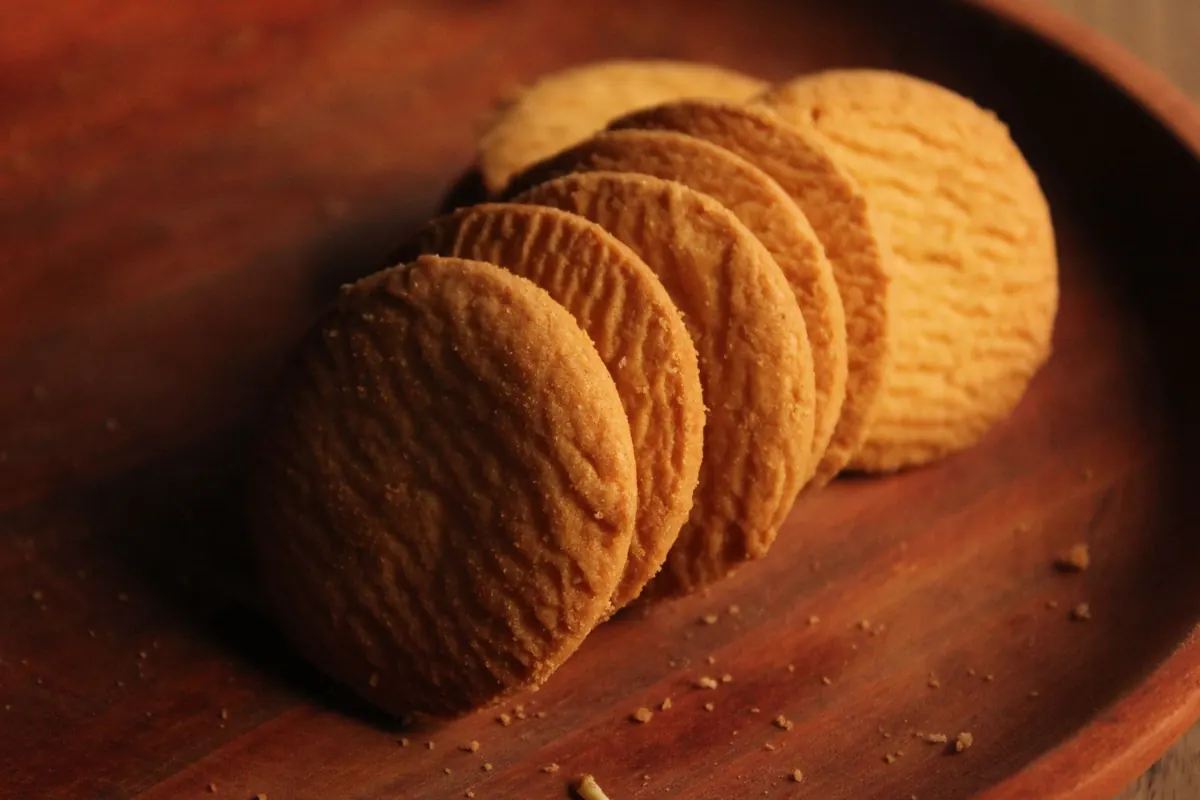
Ask a British host to put out biscuits and you might get a tin of custard creams. Ask a Southern cook the same question and you'll get a tray of warm, flaky rounds with a pot of gravy alongside. The word is identical; the food is not. One is a crisp, sweet, shelf-stable cookie built for tea. The other is a soft, savory quick bread built for butter and sausage. Knowing why they share a name — and how they differ in ingredients, texture, and daily life — makes both of them easier to bake well.
Two Foods, One Name
An American biscuit is a quick bread. Flour, fat, buttermilk, and a chemical leavener get mixed lightly, cut or dropped into rounds, and baked hot until the layers push apart. It is a side dish, not a dessert. It lands next to scrambled eggs, sits under sausage gravy, or gets split around a piece of fried chicken.
A British biscuit is what Americans would call a cookie or a cracker, depending on sweetness and shape. It is flat, dry, and built to be dunked. Digestives, shortbread, custard creams, ginger nuts — an entire category of small baked goods designed to sit beside a mug of tea and stay edible for weeks.
Ingredients: Where the Recipes Diverge
The two traditions use similar pantry staples but pull them in opposite directions.
- Flour. American biscuits depend on low-protein flour — soft Southern wheat, pastry flour, or a careful hand with all-purpose. Protein builds gluten, and gluten makes biscuits tough. British biscuits usually start with plain flour, and the structure is kept deliberately weak by sugar and fat instead.
- Leavening. Baking powder or baking soda is non-negotiable in an American biscuit; skip it and you get a hockey puck. Many British biscuits contain no chemical leavener at all — shortbread being the obvious example — or just enough for a little lift.
- Fat. American recipes call for cold, solid fat: butter, lard, shortening, or a combination. Cold fat creates steam pockets, and steam creates flake. British biscuits typically use soft butter creamed with sugar, which produces tenderness rather than layers.
- Sugar. A spoonful at most in an American biscuit, often none. Sugar is the whole point of a British biscuit, whether it is caster sugar in shortbread or golden syrup in a ginger biscuit.
- Liquid. Buttermilk, milk, or cream goes into an American biscuit at the last minute, stirred just until the dough comes together. British biscuits lean on egg and a splash of milk for binding; shortbread often uses no liquid at all.
Texture: Flaky Versus Crisp
A good American biscuit is tall, layered, and tender, with a slightly craggy top and a soft interior that pulls apart rather than crumbles. That texture comes from technique as much as ingredients: cold fat, minimal mixing, and a hot oven. It also comes with a clock. Biscuits are at their best within an hour of baking and start losing their magic by evening.
A good British biscuit is the opposite kind of pleasure — thin, even, and crisp, or "short" and sandy in the case of shortbread, where the butter coats the flour and limits gluten formation. Crispness comes from low moisture, a thin roll, and a moderate, unhurried bake. These biscuits are made to keep. A tin of them improves with a day or two of settling.
The Cultural Role: Gravy, Tea, and Everyday Ritual
In the American South, the biscuit is a measure of hospitality. Grandmothers are judged by them, diners advertise them, and a plate of biscuits and gravy is breakfast as identity. They are also a working food: cheap, fast, and filling, which is why they anchored rural Southern tables long before they became a restaurant staple.
In Britain, the biscuit is a social unit. Offering one with tea is a small act of welcome; the biscuit tin is a fixture of kitchens and offices. There is an unspoken etiquette to it — take one, not three, and never the last one without asking. Dunking is optional but widely practiced, and every household has opinions about which biscuit holds up best.
Where the Split Came From
The word itself explains part of it. "Biscuit" comes from the Latin bis coctus, meaning twice baked, by way of Old French. The original biscuit was a hard, dry, durable bread — ship's biscuit, hardtack — made to survive a long voyage. British biscuits descend from that tradition of dry, keeping baked goods, which gradually grew thinner and sweeter as tea became affordable.
In North America, the word stayed but the food changed. Soft, low-protein wheat grew well in the South, buttermilk was plentiful, and by the nineteenth century chemical leaveners like pearlash, then baking soda and baking powder, made it possible to raise a bread in minutes rather than hours. The result was a soft, quick, savory biscuit with almost nothing in common with a digestive.
Baking Them at Home
If you want to try American biscuits, technique matters more than the recipe:
- Keep everything cold. Chill the butter or lard, and if your kitchen is warm, chill the flour too.
- Whisk the dry ingredients, then cut in the fat until the pieces are pea-sized and flattened. Bigger, flatter bits make flakier biscuits.
- Add cold buttermilk and stir just until no dry flour remains. The dough should look shaggy, not smooth.
- Turn it out, pat — don't roll hard — to about 2 cm (¾ inch) thick, and fold it in thirds once or twice for layers.
- Cut straight down with a sharp cutter, flouring between cuts. Twisting seals the edges and stops the rise.
- Bake hot, around 220°C (425°F), until tall and golden, and eat them within the hour.
For British biscuits, the rhythm is gentler. Cream soft butter and sugar until pale, beat in an egg, fold in flour, and chill the dough before rolling it thin — 3 to 5 mm for crisp ones. Bake at around 170°C (340°F) until the edges just colour, then leave them on the tray to firm up. For shortbread, lower the heat further and let the biscuits bake slowly to a pale gold so they stay sandy rather than snapping hard.
Talking About Biscuits Without Confusing Anyone
If you are in Britain and craving an American biscuit, describe it rather than naming it: a savory scone, unsweetened, served with butter or gravy. Expect whatever arrives to be sweeter than you pictured. In the United States, ask for cookies or crackers when you want British biscuits, or look in the imported aisle of a larger supermarket.
If you are baking for a mixed crowd, label the tray. A plate of flaky buttermilk rounds next to a plate of shortbread needs no explanation once people taste them — but the word "biscuit" on a handwritten card will cause confusion either way. Serve the savory ones warm, keep the sweet ones in a tin, and everyone gets what they came for.
Photo: Jahra Tasfia Reza / Pexels